
Saint Peter’s University convenes state and federal leaders for a timely discussion on immigration policy, the challenges facing New Jersey communities and the power of compassion and collective action.
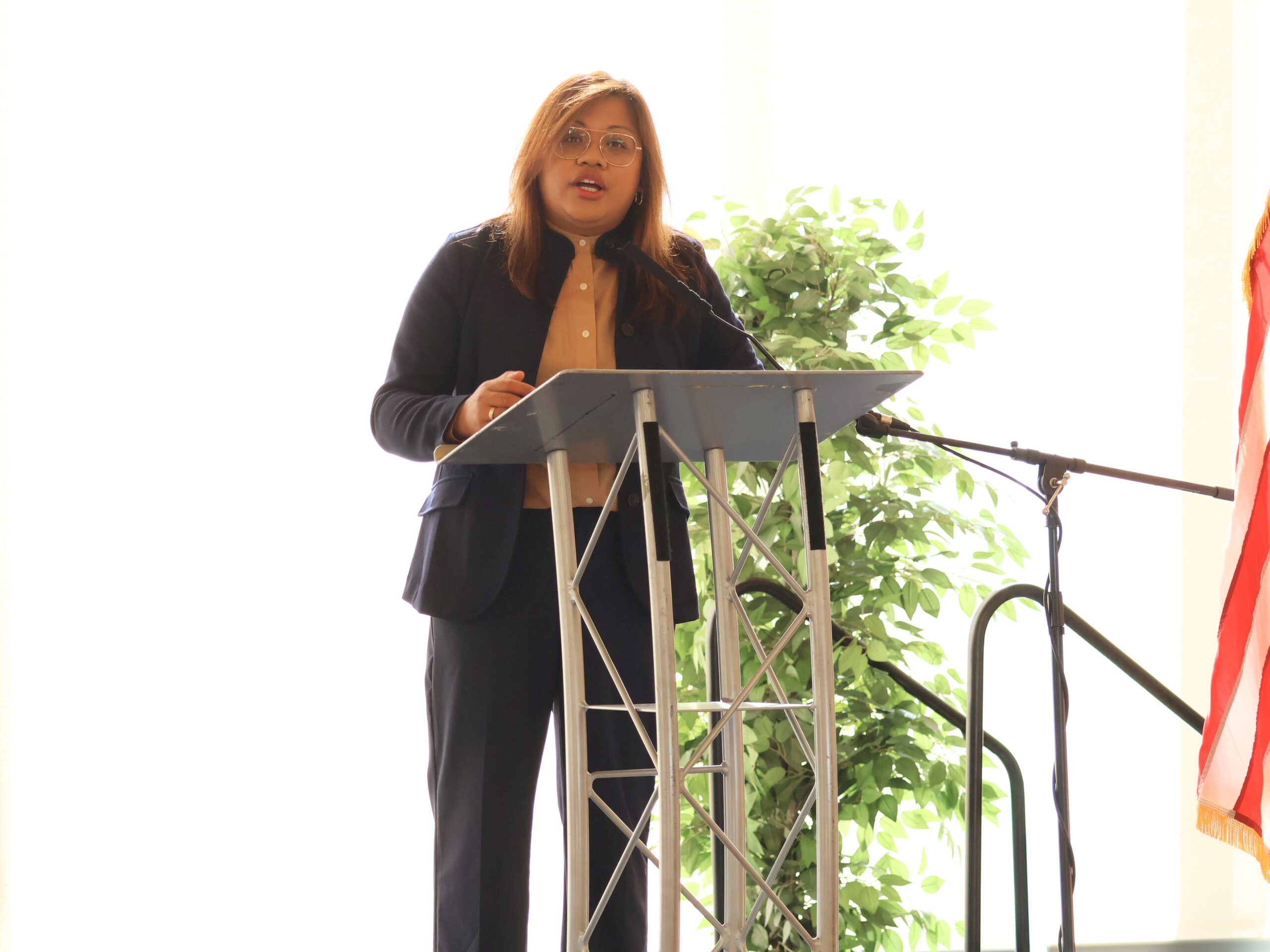 Saint Peter’s University welcomed state and federal leaders, students and members of the community on October 28 for An Inside Look: The State of Immigration Affairs in New Jersey, a summit examining the current immigration landscape, its impact on New Jersey residents and the role of government and local communities in responding to the challenges facing immigrant families.
 Moderated by Dr. Kristina Micu alongside student representatives Grace-Marie Bamba and Alexander Martinez Sanchez, the event featured a panel discussion with Congressman Rob Menendez, Assemblyman Ravi Bhalla and Assemblywoman Katie Brennan. Congressman Menendez also delivered the keynote address, while University President Dr. Hubert Benitez offered opening remarks connecting the discussion to Saint Peter’s commitment to education, social justice and service to others.
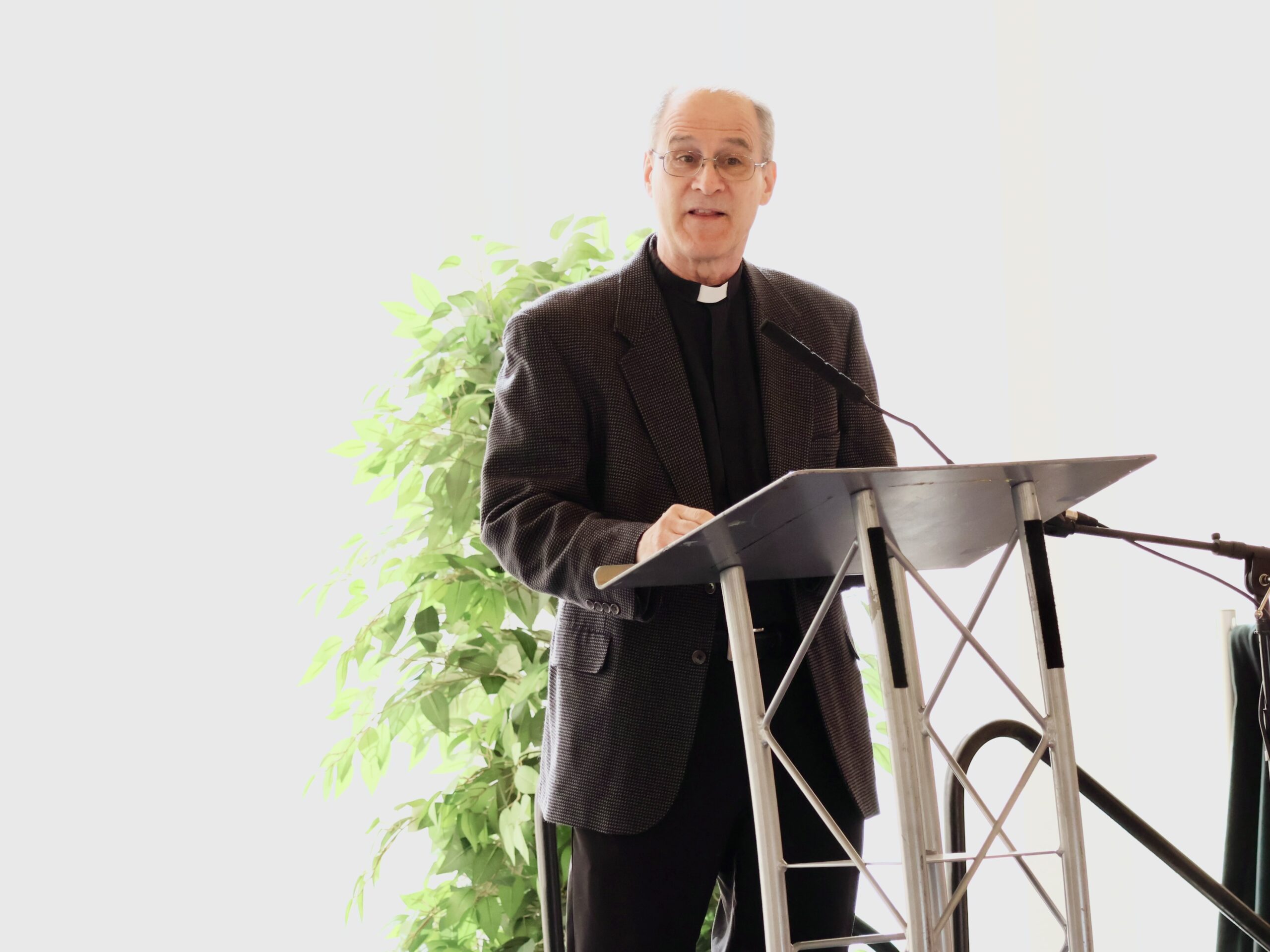
The summit opened with a prayer led by Fr. Jim Miracky, who reflected on the Jesuit mission of welcoming refugees and migrants and recognizing the dignity of every person as a child of God. Drawing on Leviticus 19, his prayer established a foundation for the day’s conversation: a call to treat others with compassion, hospitality and respect.
A University Rooted in Welcome and Opportunity
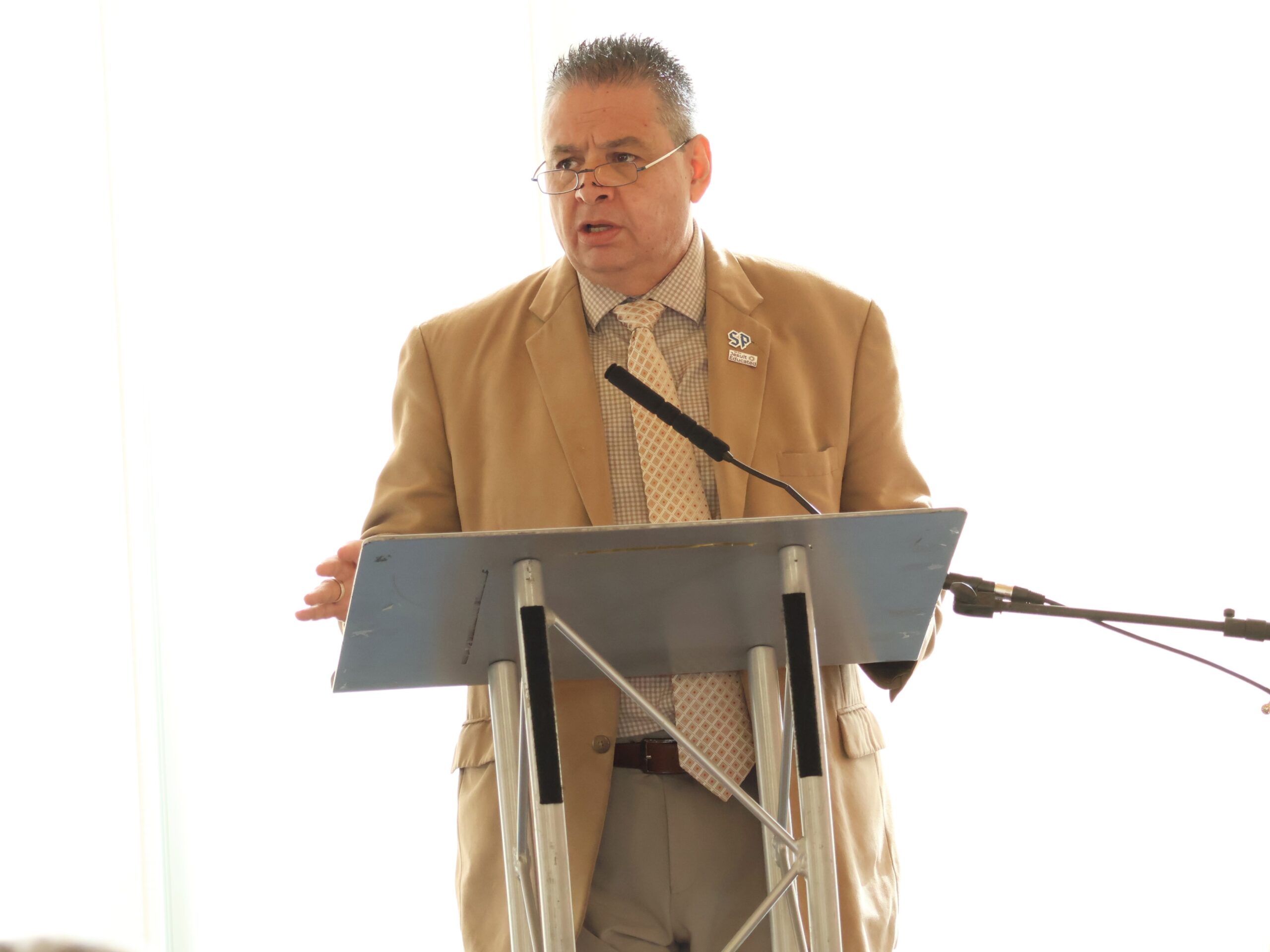 Dr. Benitez began by sharing his personal experience as an immigrant and the role education played in his journey to build a better future for himself and others. He emphasized that Saint Peter’s is a welcoming place for all and reaffirmed the University’s commitment to supporting and valuing immigrant families.
Connecting the University’s educational mission with its dedication to social justice, Dr. Benitez highlighted Saint Peter’s efforts to prepare students to engage thoughtfully with complex social issues, including its certificate program in Refugee and Migration Studies. He underscored the importance of ensuring that all members of the community have opportunities to learn, contribute and thrive.
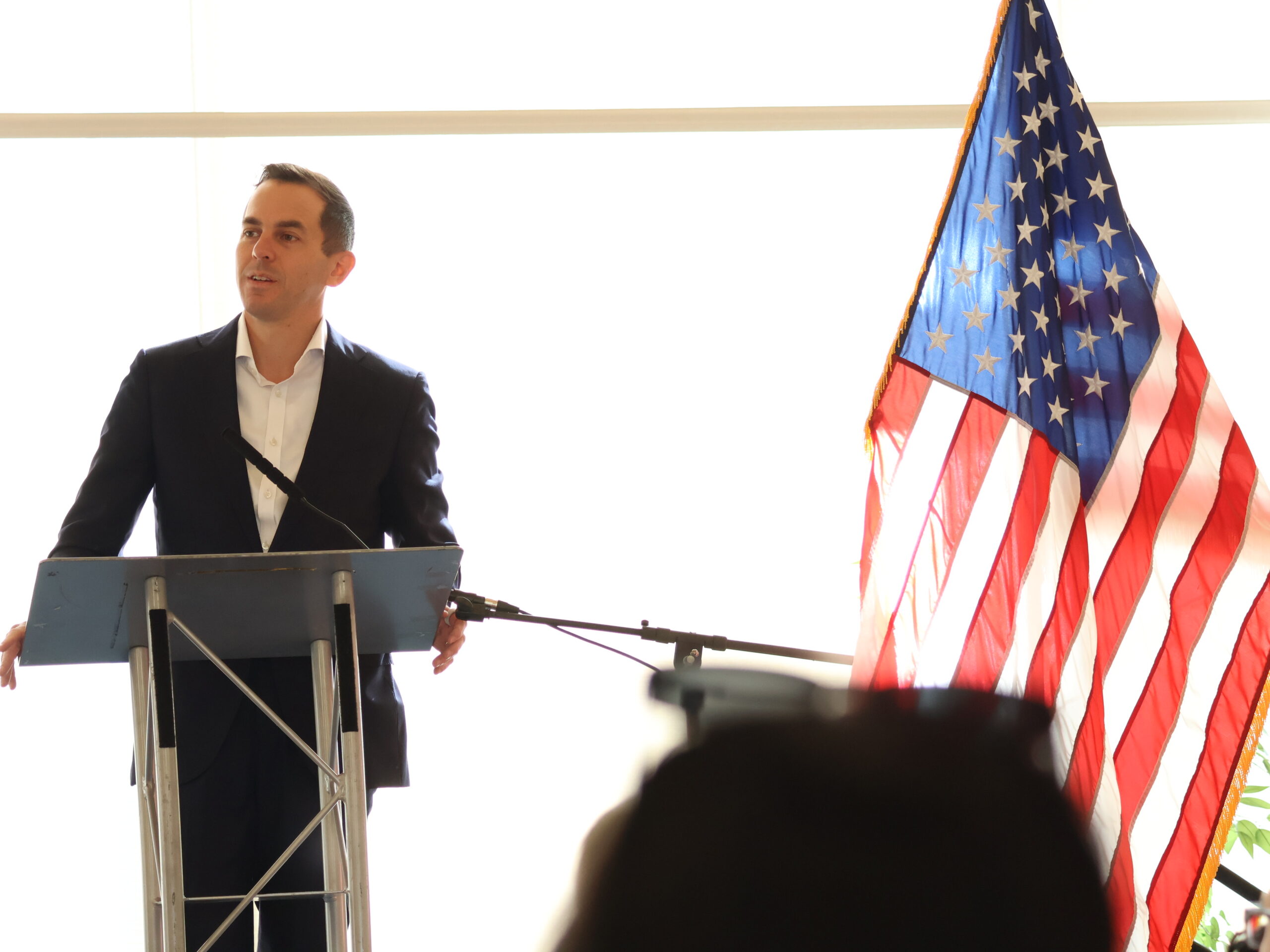 In his keynote address, Congressman Menendez thanked attendees for participating and recognized the late Congressman Frank J. Guarini as a trailblazer whose legacy helped shape the conversation around immigration and public service.
Menendez urged the audience to take a broader view of the nation’s immigration debate, cautioning against rhetoric that portrays immigrants as dangerous invaders and deepens divisions, particularly within the Latino community. He described New Jersey as ground zero for Immigration and Customs Enforcement (ICE) activity, pointing to the visible consequences of what he characterized as a broken national immigration system—one that successive Democratic and Republican administrations have failed to fix.
Despite these challenges, Menendez emphasized the importance of perseverance and community support. He praised Saint Peter’s and its Jesuit mission for providing a compassionate environment for immigrants and their families, particularly during a period of uncertainty and fear.
Reaffirming the Promise of America
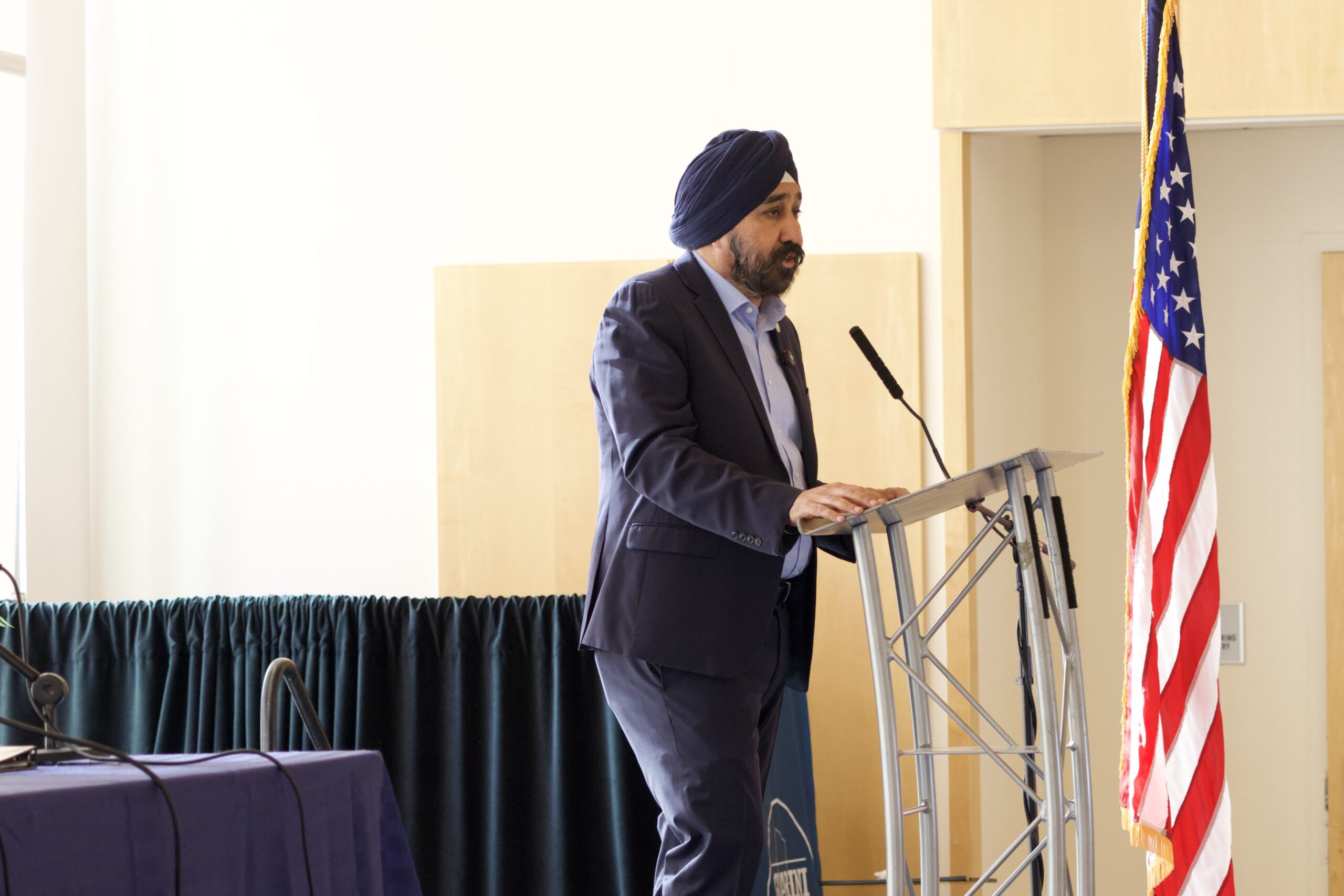 Assemblyman Bhalla echoed Dr. Benitez’s description of Saint Peter’s as a university with “no walls,” emphasizing the importance of creating spaces where all people feel welcome. Reflecting on his own spiritual outlook, he shared the sentiment, “I see no stranger.”
Bhalla spoke about the ideals at the heart of the American experience, arguing that the nation was built not simply on geography, culture or faith, but on shared ideas and the promise of freedom for those seeking a better life. He recalled his father’s immigration to the United States from India in 1966, sharing a story about his father’s early experiences navigating American culture and resisting pressure to assimilate immediately.
Drawing on his experience as the former mayor of Hoboken, Bhalla also highlighted the city’s rich immigrant history and stressed that the government should serve as a source of support rather than an adversary to those seeking to establish a life in this country. While acknowledging that the United States has changed since his father arrived, he expressed hope that the nation can recommit itself to the welcoming ideals that once defined that experience.
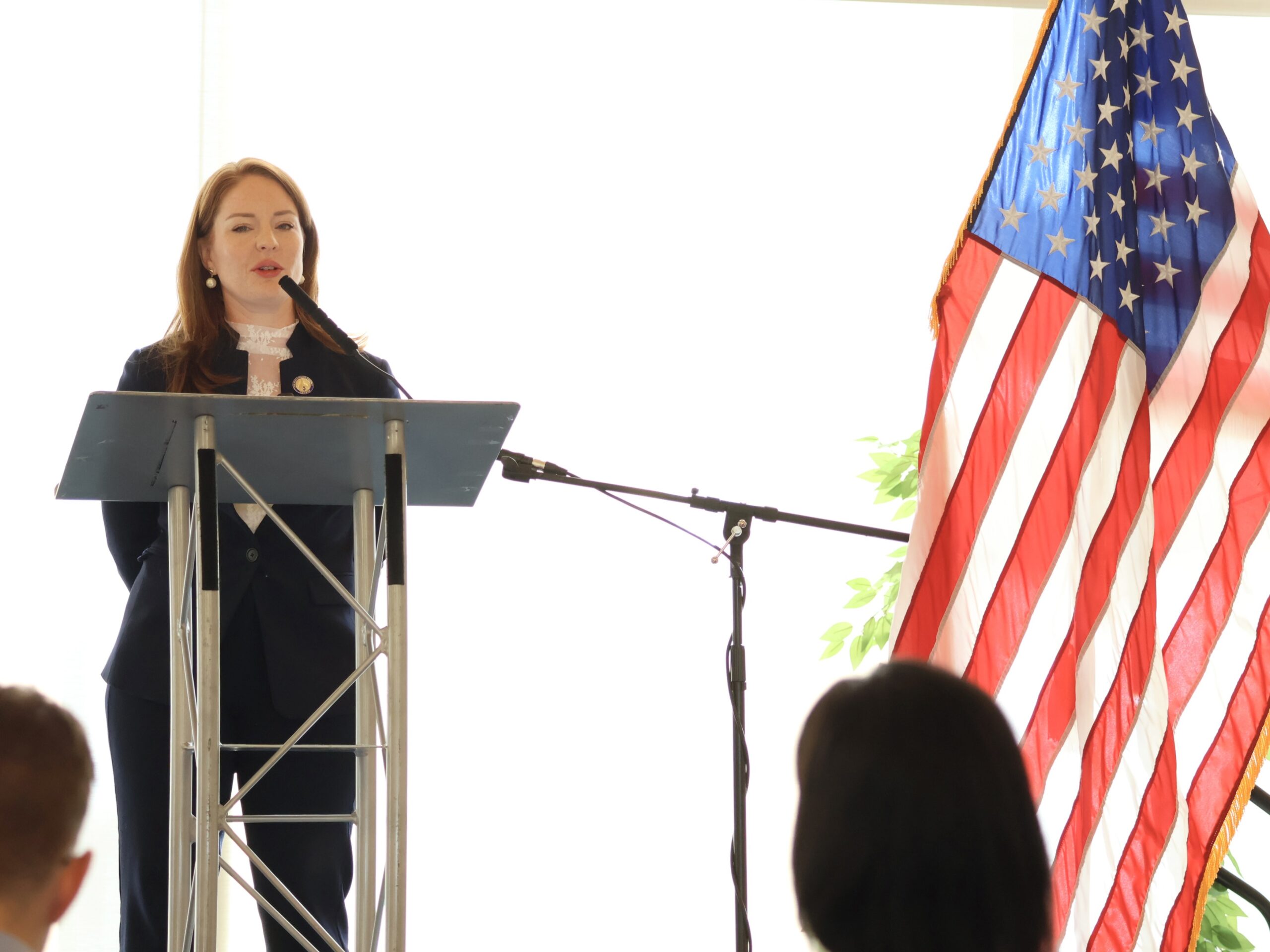 Assemblywoman Brennan focused on the actions state and local leaders can take in response to federal immigration enforcement. She argued that New Jersey must go beyond simply holding the line against federal policies and instead pursue meaningful expansions of immigrant protections.
Brennan emphasized the importance of codifying the Immigrant Trust Directive into law as a step toward lasting progress. She also discussed the need for sustained action to challenge detention practices, citing the closure of Florida’s Alligator Alcatraz facility as an example of how financial pressures can affect detention operations. She encouraged similar efforts to end the operation of detention facilities such as Delaney Hall and Elizabeth Detention Center.
Throughout her remarks, Brennan acknowledged that asking individuals and communities to continually “fight harder” can be an unfair burden. She called instead for practical, systemic changes that strengthen protections and provide communities with greater ability to respond to the needs of immigrant residents.
Addressing the Urgent Challenges Facing New Jersey
The summit’s panel discussion brought the speakers together to examine the most pressing immigration issues facing New Jersey and consider how state and local leaders can respond to challenges shaped by federal policy.
Asked which issues demand the most immediate attention, Congressman Menendez pointed to immigration enforcement and lengthy delays in the processes available to those seeking to navigate the system through established legal channels. He emphasized the particularly harmful consequences these challenges can have for children and families.
Brennan highlighted the importance of mutual aid and community assistance, underscoring the need for neighbors and local organizations to support those facing uncertainty. Bhalla, meanwhile, described the fear and disruption that arise when ICE enters a community, emphasizing that anxiety over potential detention should not prevent people from helping one another.
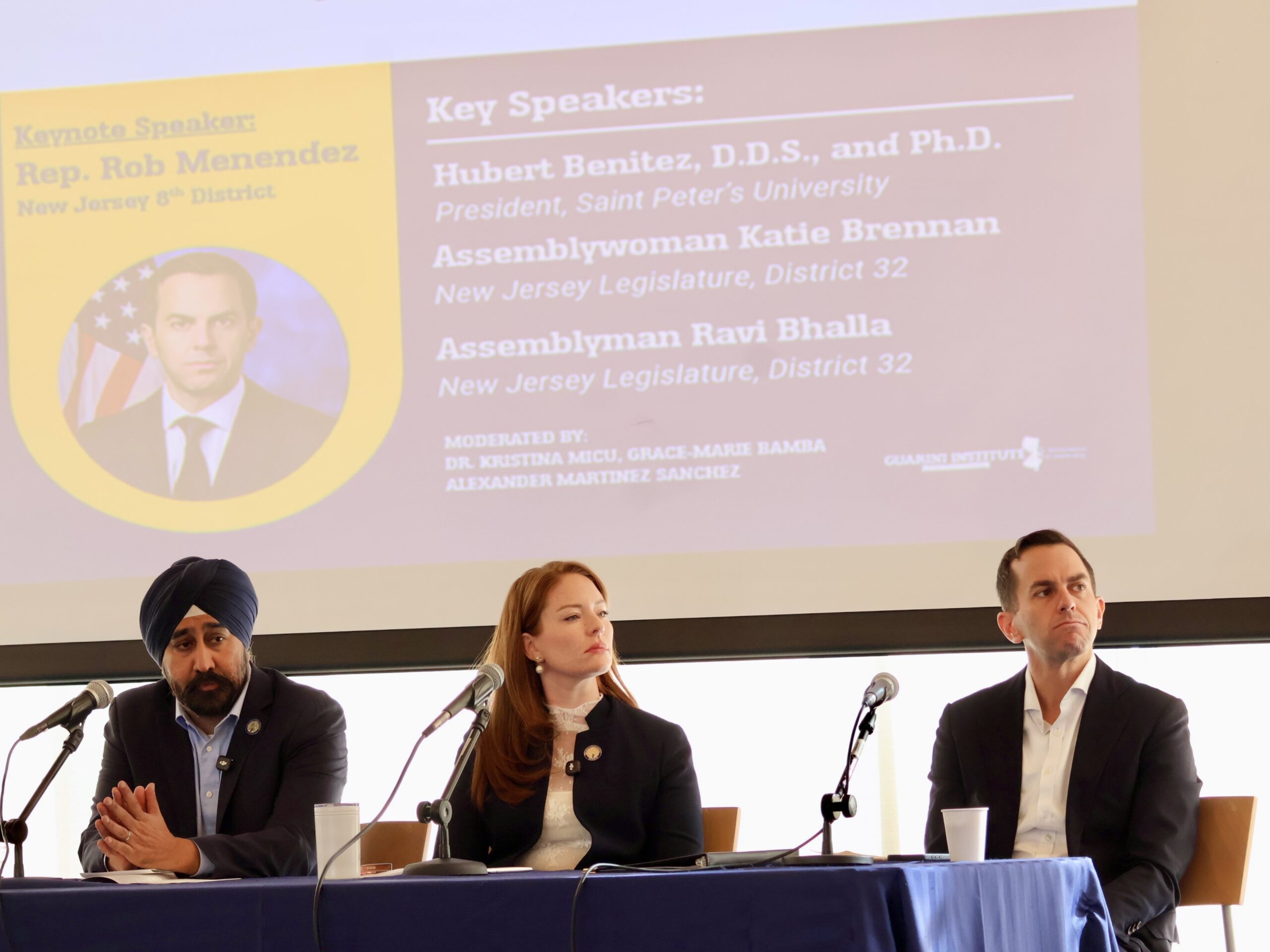 The panelists also discussed how New Jersey can bridge the divide between federal immigration policy and the needs of local residents. Their responses emphasized education, awareness of individual rights and a stronger understanding of the laws and policies available to state and local governments. Brennan encouraged municipalities to consider how local laws governing public property can help protect access to public services and support for immigrant communities.
The conversation also addressed the implications of the Immigrant Trust Act for migrant college students and higher education institutions. Bhalla stressed the importance of ensuring that campus police and security personnel understand the scope of their responsibilities, including the distinction between campus safety functions and federal immigration enforcement. Appropriate training and clear institutional policies, he noted, can help colleges and universities better serve and protect their communities.
For Saint Peter’s, these questions are particularly significant. As an institution committed to welcoming students from diverse backgrounds, the University recognizes the importance of fostering a campus environment where students can pursue their education with dignity and a sense of belonging.
Finding Hope in Community
As the discussion concluded, the panelists were asked what gives them hope amid the challenges surrounding immigration.
Their answers converged on a common theme: community.
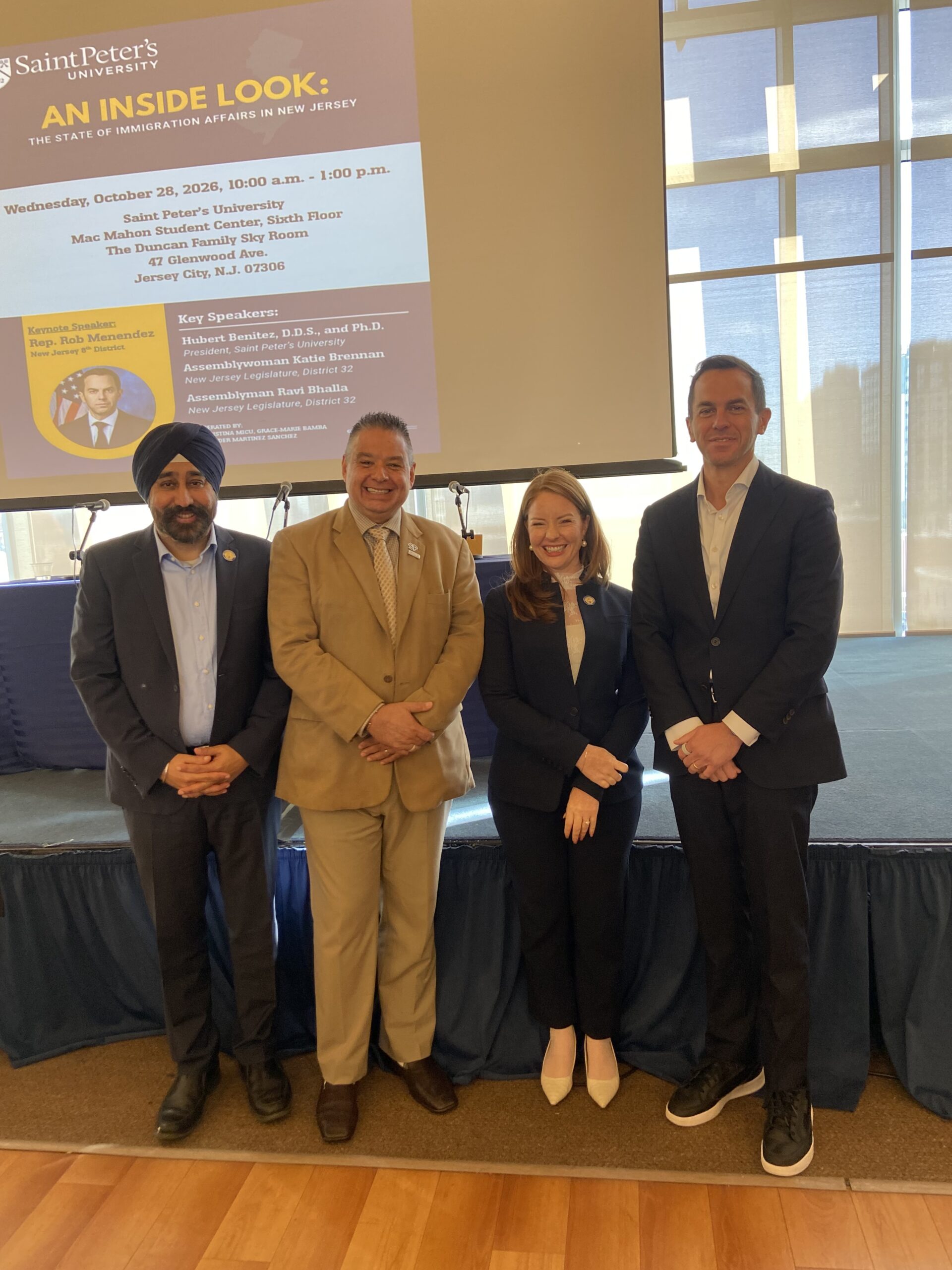 Each speaker pointed to the generosity, solidarity and willingness to help that emerge when people confront difficult circumstances together. Even in moments of fear and uncertainty, they observed, communities can respond by supporting their neighbors, standing up for one another and demonstrating the best of the human spirit.
That message resonated with the purpose of the summit and the values at the heart of Saint Peter’s University. Rooted in the Jesuit tradition, the University’s commitment to education extends beyond the classroom, calling on students and the broader community to engage with the world thoughtfully, recognize the dignity of every person and work toward a more just society.
Through conversations such as An Inside Look: The State of Immigration Affairs in New Jersey, Saint Peter’s continues to create opportunities for students, policymakers and community members to engage with pressing issues, consider meaningful solutions and reaffirm the importance of compassion, service and shared responsibility.